Answers about outreach requests, assessment, scheduling, services, consent, privacy, referrals, partnerships, and verified reporting.
Who can request an outreach?
Communities, schools, health facilities, institutions, local authorities, and responsible partner organizations may submit a request for feasibility review.
Does a request guarantee an outreach?
No. The team reviews need, safety, clinical scope, staffing, referral pathways, funding, equipment, supplies, access, and scheduling before approval.
What services may be available?
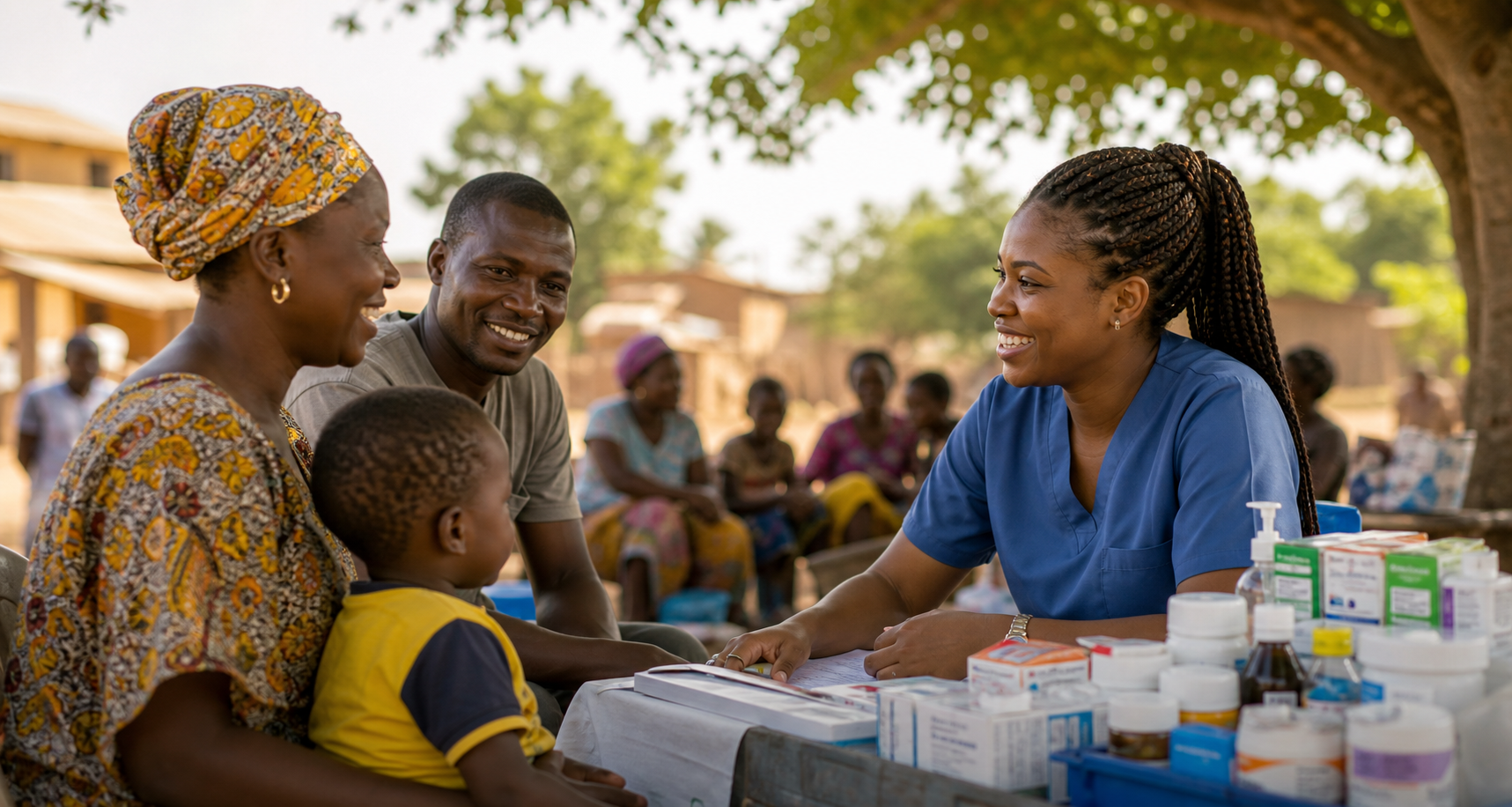
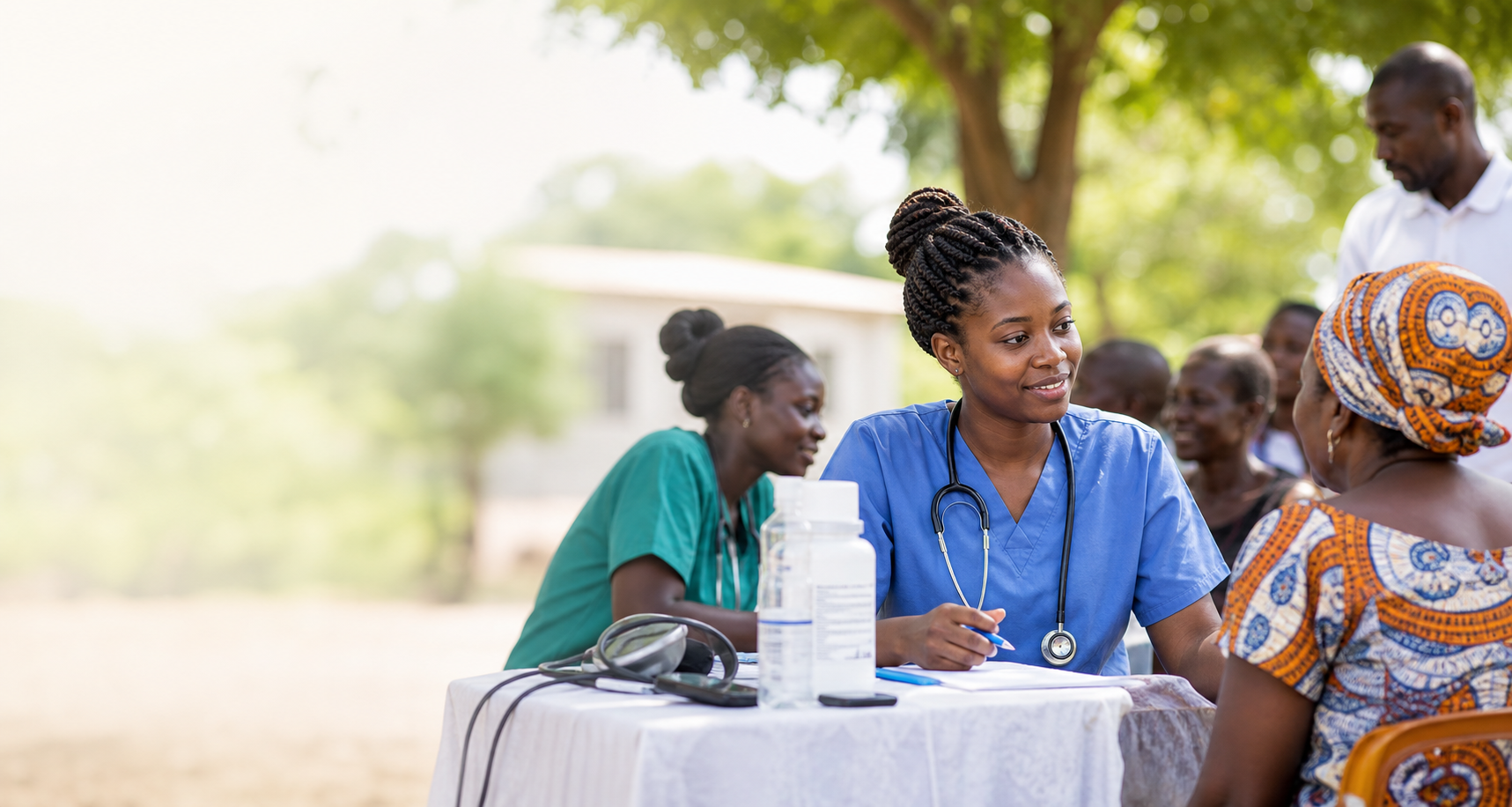
Approved activities may include general health screening, maternal and child health support, antenatal support, laboratory or ultrasound screening, health education, school health, consultations, pharmacy counselling, and referral support.
How is beneficiary privacy protected?
Public pages and ordinary reports use approved aggregate information only. Names, phone numbers, individual results, clinical notes, referrals, internal budgets, and restricted documents are not published.
How does consent work?
Service, guardian, data-processing, media, photography, and research consent are recorded separately where applicable. Consent is not preselected, is not permanent, and may be withdrawn.
Can an organization partner or sponsor an outreach?
Yes. Clinical, laboratory, referral, logistics, volunteer, venue, equipment, supply, communications, and funding proposals enter the foundation partnership review process.
When are outcomes published?
Only after aggregate results have completed report review, privacy checks, and impact verification. Unverified figures are not displayed publicly.