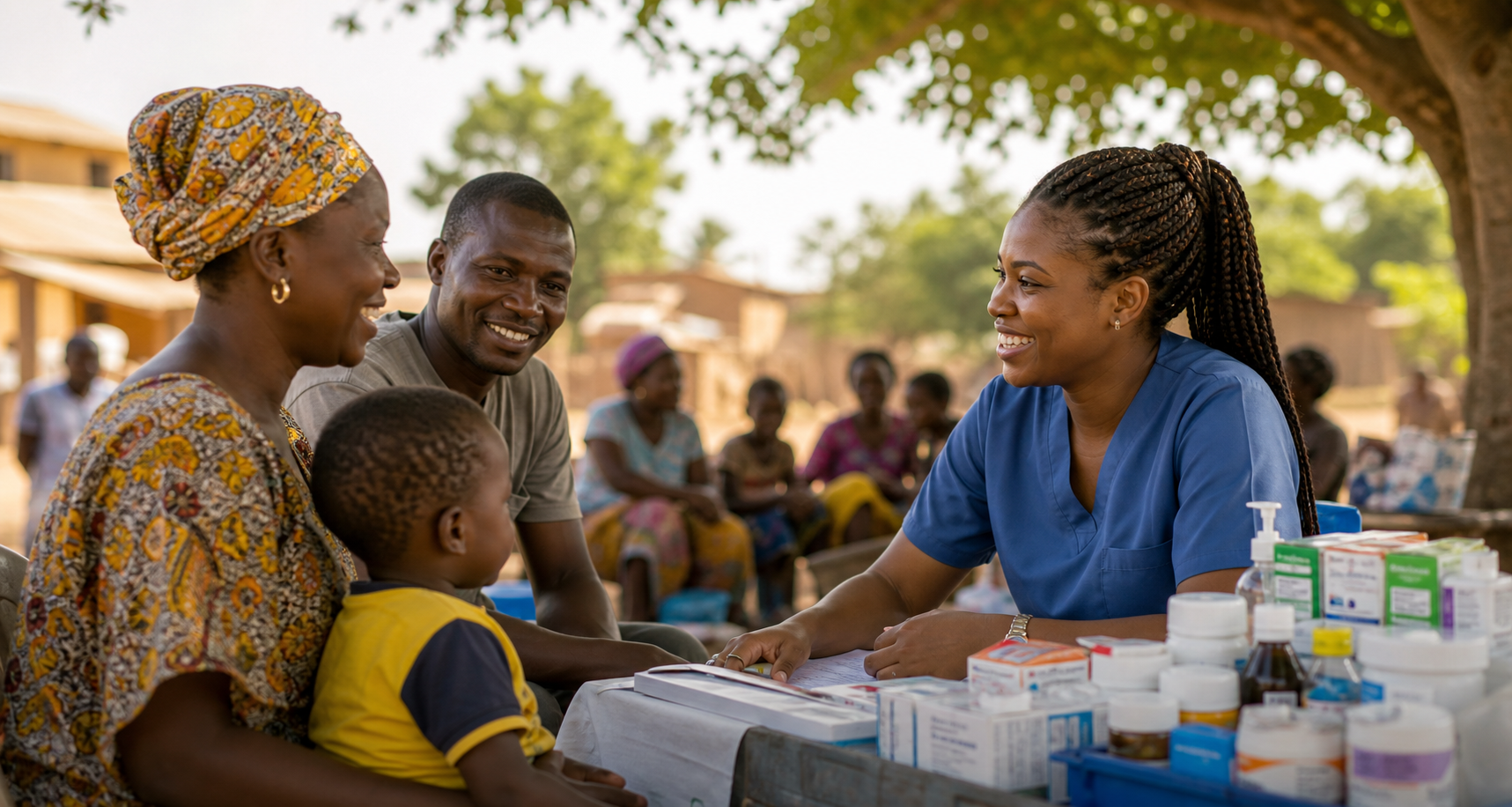
Osmond Health Foundation works with companies that want community investment to be useful, ethical, and measurable. We translate agreed corporate social responsibility and environmental, social, and governance priorities into practical health activities shaped by local needs, realistic delivery capacity, and responsible public reporting.
Where Corporate Support Can Make a Difference
- Community health outreach: clinical supplies, venue readiness, transport, volunteer coordination, and local mobilization.
- Maternal and child health: education, screening support, referral information, and family-focused prevention activities.
- Screening and diagnostics: approved consumables, basic equipment, technical support, and safe referral pathways.
- Health education: dignity-centered materials, community sessions, prevention campaigns, and local-language communication.
- Operational capacity: outreach mobility, data quality, monitoring, safeguarding, and accountable field reporting.
Sponsorship Models
A partnership may support one defined activity, a program workstream, an in-kind contribution, employee volunteering, or a multi-year strategic objective. The appropriate model depends on community priorities, available clinical and implementation partners, budget, timeline, risk, and the evidence required to report responsibly.
- Restricted funding for an agreed program or outreach activity.
- Flexible support for essential delivery, coordination, and follow-up costs.
- Matched giving or staff fundraising linked to an approved objective.
- Skills-based support in logistics, communications, technology, finance, or monitoring and evaluation.
- In-kind products or services accepted only after suitability, safety, and total-cost review.
What a Responsible Sponsorship Includes
Before implementation, OHF and the sponsor agree the purpose, eligible costs, decision-making roles, delivery schedule, safeguarding expectations, branding permissions, reporting cadence, and closeout requirements. Recognition is proportionate to the agreement and never takes priority over patient privacy, informed participation, clinical independence, or community dignity.
Depending on scope and data availability, sponsors may receive an activity brief, verified aggregate reach and delivery measures, a financial or use-of-funds summary, approved photographs, learning notes, and next-step recommendations. OHF does not promise outcomes that cannot be evidenced and does not publish identifiable health information without appropriate consent and authority.
How the Process Works
- Share your organization, objectives, proposed contribution, geography, timeline, and reporting needs.
- OHF reviews strategic fit, community relevance, delivery capacity, safeguarding, and any reputational or operational risk.
- Both parties define the scope, budget, roles, measures, communications permissions, and approval process.
- Implementation begins only after the appropriate agreement and delivery plan are approved.
- OHF documents delivery, reports against the agreed measures, and completes a joint learning and closeout review.
Start a Corporate Sponsorship Conversation
Tell us what your company hopes to support, the resources available, the preferred timeline, and any due-diligence or reporting requirements. Submitting an inquiry starts a review; it does not create a funding commitment or authorize public use of either organization’s name.
Current Sponsorship Opportunities
Sponsorship opportunities are prepared around verified program needs. Contact OHF to discuss an appropriate support model.