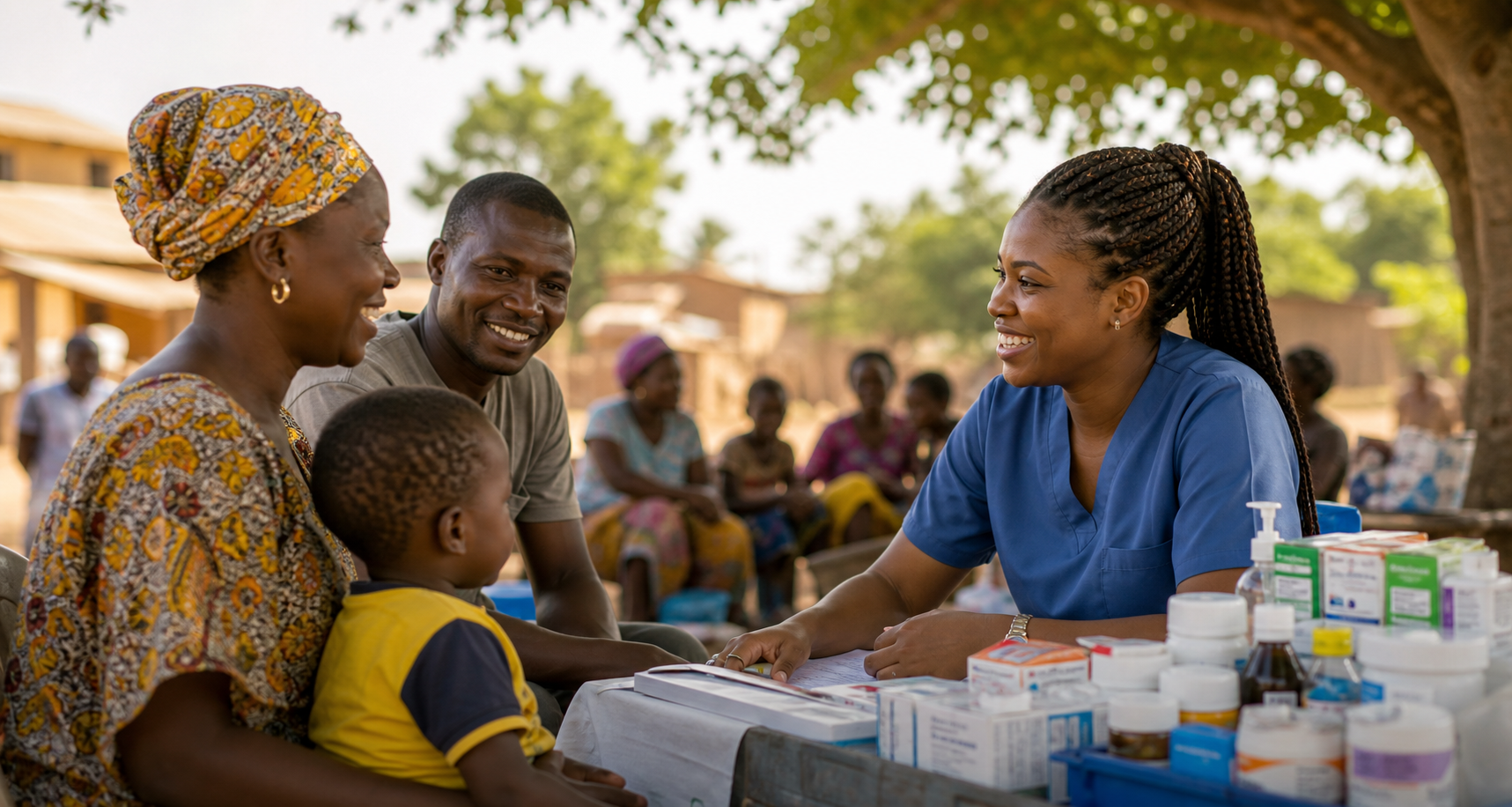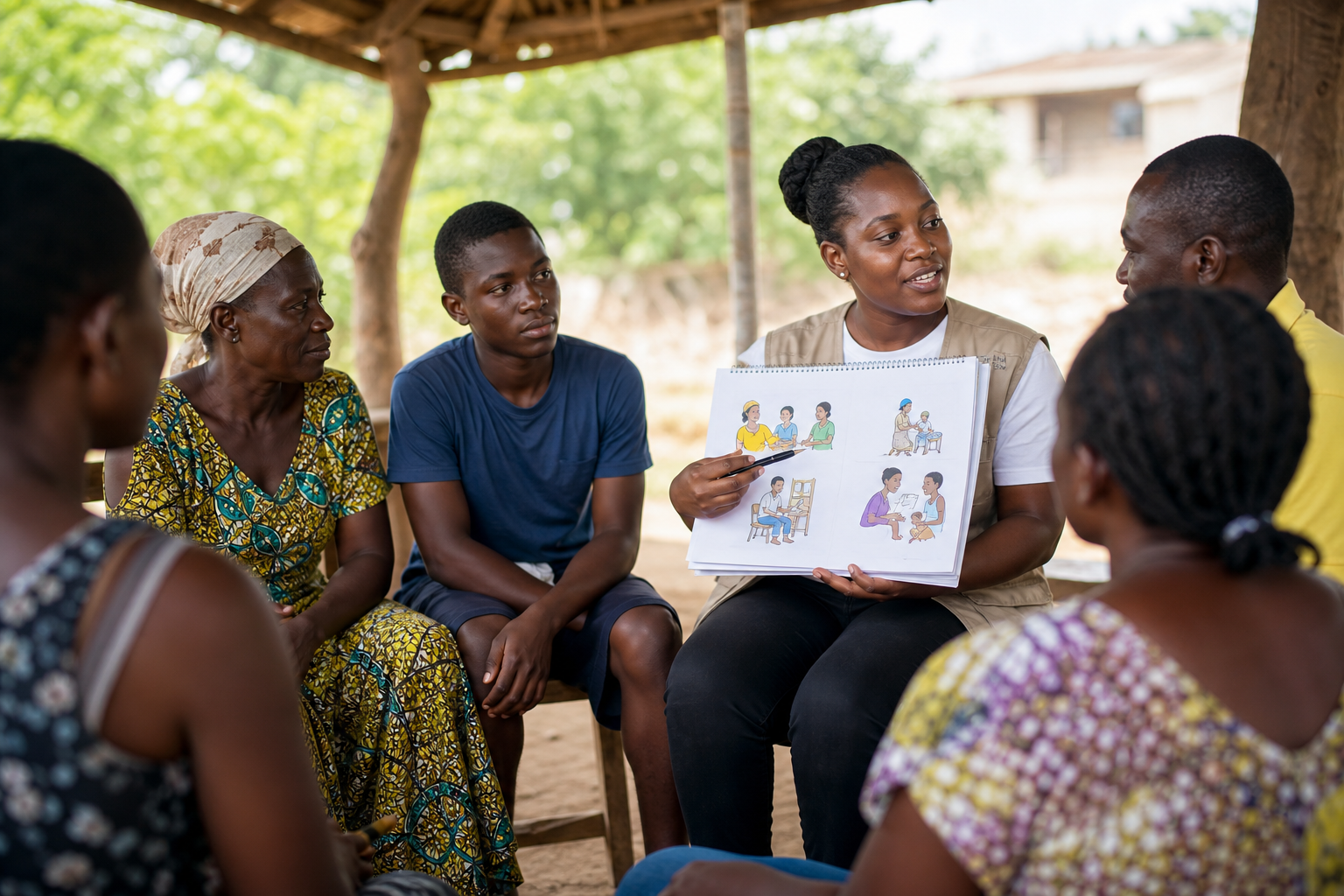
Osmond Health Foundation welcomes universities, teaching institutions, research centres, and supervised student teams that want to generate useful knowledge while respecting community priorities. Collaboration should strengthen practice, learning, and local capacity—not treat communities merely as sources of data.
Potential Areas of Collaboration
- Community health needs assessment and implementation research.
- Monitoring, evaluation, data quality, and learning systems for outreach and education programs.
- Supervised practicums, internships, service learning, and field placements with defined objectives.
- Training for volunteers, community mobilizers, health educators, and operational teams.
- Evidence-informed health education materials, translation, and communication testing.
- Aggregate analysis, learning briefs, conference outputs, and publications approved through the agreed process.
Ethics, Consent, and Data Governance
Research activity must have the appropriate institutional and, where applicable, local ethical or regulatory approvals before data collection begins. Partners are expected to use understandable consent processes, collect only necessary data, protect confidentiality, define secure access and retention, and establish how concerns or withdrawal requests will be handled.
The collaboration agreement should address data ownership or stewardship, permitted analyses, cross-border access, publication review, authorship, intellectual property, community feedback, and destruction or archiving of records. Public outputs should normally use aggregate or de-identified information and must not expose individuals or stigmatize communities.
Student and Professional Placements
Placements require a named academic supervisor, an OHF focal person, realistic learning objectives, role boundaries, safeguarding expectations, insurance or institutional cover where required, and a schedule that does not disrupt community services. Students do not provide unsupervised clinical care or access personal information simply because they are attached to a project.
What a Strong Proposal Covers
- The practical question, community benefit, proposed methods, and intended outputs.
- The people involved, supervision model, skills, approvals, and funding available.
- The data required, why it is necessary, how it will be protected, and who may use it.
- The burden on participants and OHF staff, including translation, transport, devices, and follow-up.
- How findings, tools, or training will be returned to OHF and participating communities.
Review and Delivery
- Send a concise concept, institutional details, lead contacts, timing, geography, and proposed resources.
- OHF reviews community relevance, operational feasibility, ethics, data protection, safeguarding, and staff capacity.
- Partners refine the protocol, responsibilities, approvals, budget, communication, and dissemination plan.
- Work begins only after required approvals and written arrangements are complete.
- Partners share agreed outputs, community-facing findings, data or tools, and a closeout learning note.
Start an Academic or Research Inquiry
Describe the institution, research or learning objective, proposed participants, methods, supervision, approvals, funding, timeline, and intended benefit. Do not attach identifiable participant data to an initial proposal.