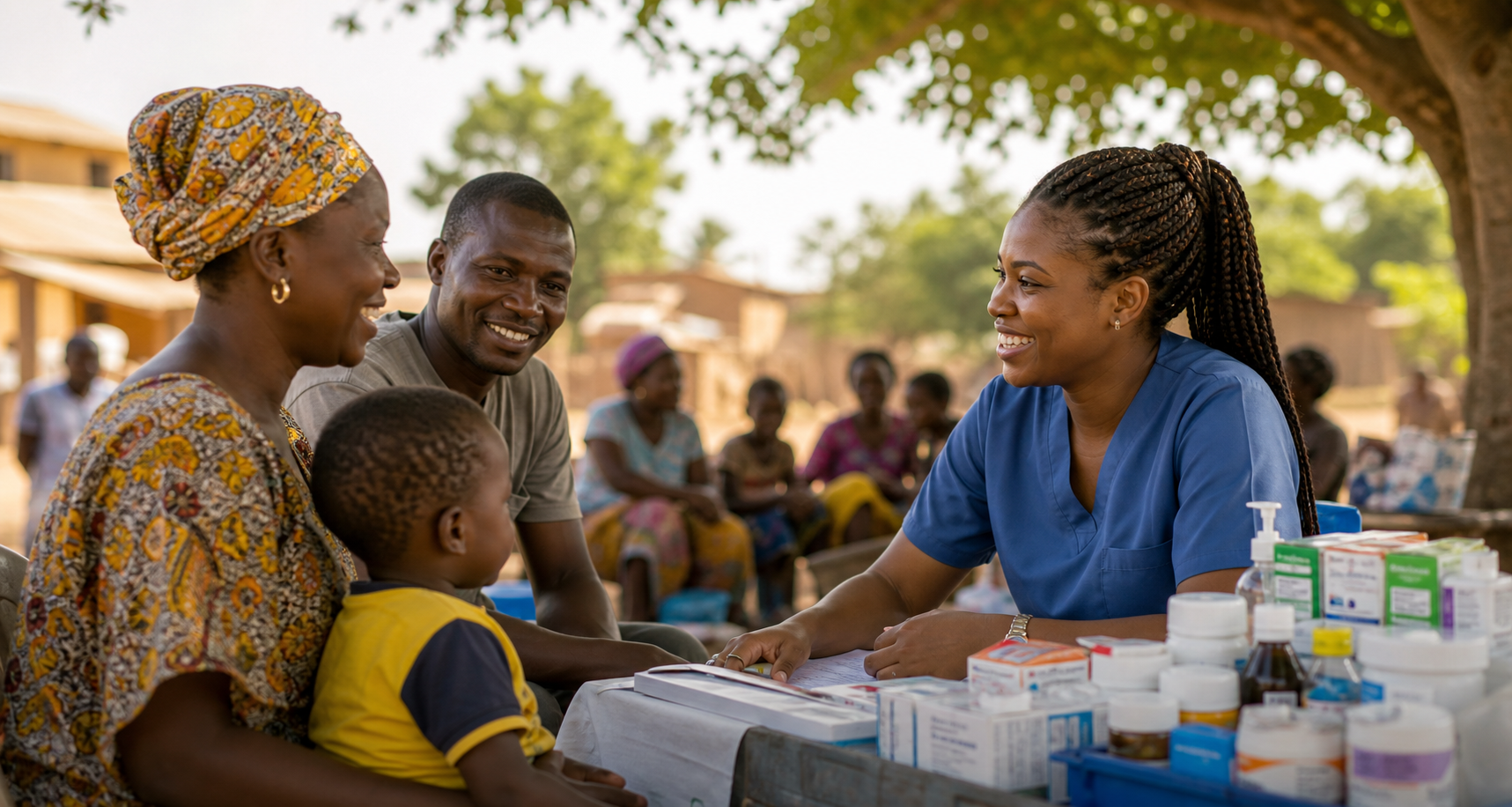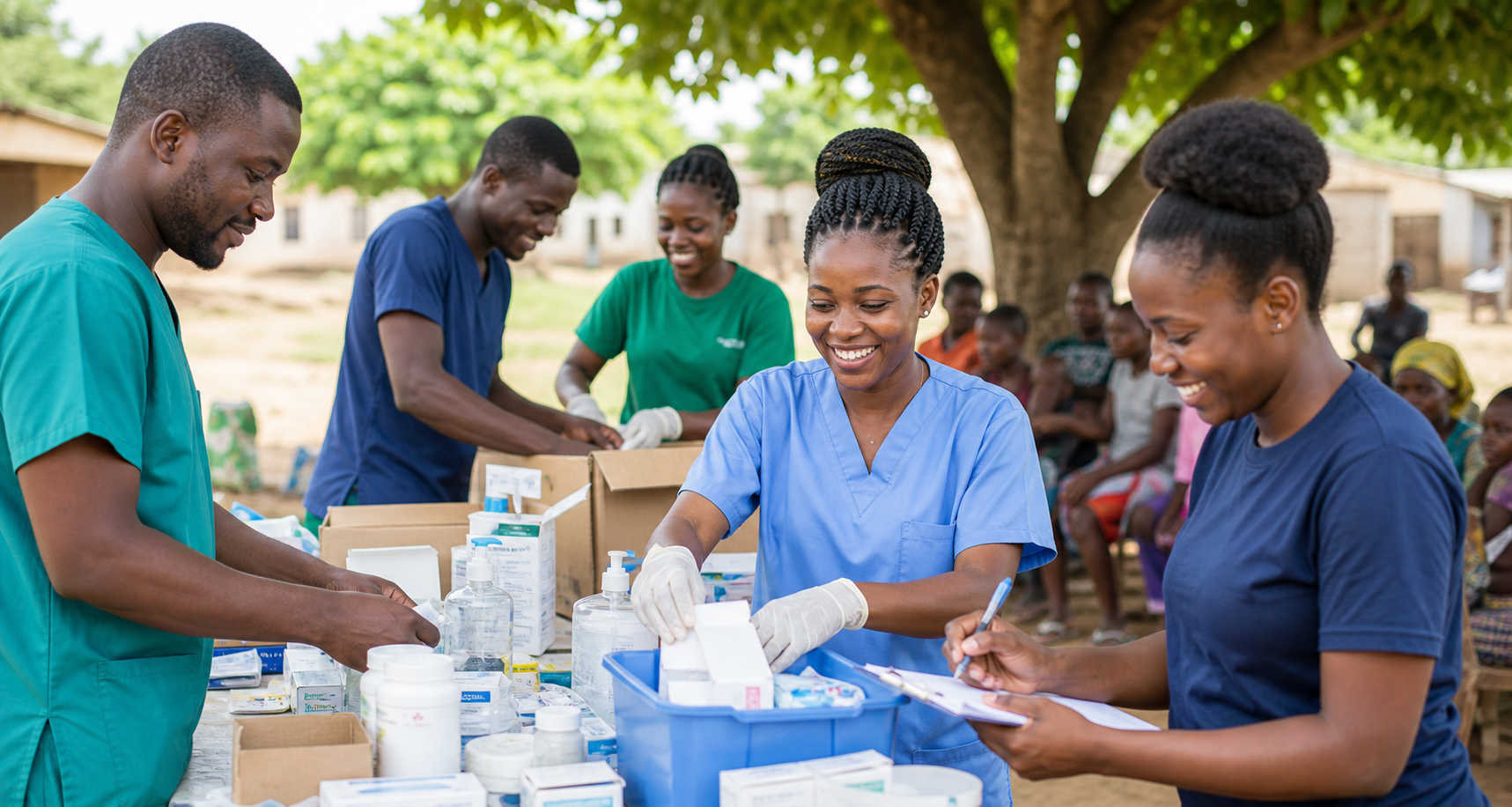
Osmond Health Foundation partners with NGOs, foundations, humanitarian organizations, technical agencies, and international donors that value locally informed delivery. Our role is to connect shared health objectives with community relationships, practical implementation, safeguarding, and reporting that reflects both achievements and limitations.
Collaboration Opportunities
- Joint community outreach, screening, maternal and child health, prevention, and health education programs.
- Grant-funded pilots or multi-year initiatives with defined outcomes and learning questions.
- Technical assistance in clinical quality, safeguarding, logistics, data systems, monitoring, evaluation, and learning.
- Medical supplies or equipment reviewed against need, safety, compatibility, maintenance, and total cost.
- Training and capacity strengthening for volunteers, mobilizers, health educators, and field coordinators.
- Responsible emergency or humanitarian support developed with local stakeholders and realistic transition planning.
A Locally Grounded Delivery Model
Program design begins with the health need, the people affected, existing services, local leadership, and the barriers that may limit access. OHF does not assume that an imported model, donated product, or short visit will be appropriate. Together, partners adapt activities to the operating context and identify what can continue after external funding or technical support ends.
Partnership Standards
- Clear roles: named leads, decision rights, deliverables, escalation, and documented approvals.
- Safeguarding: shared expectations for conduct, reporting concerns, consent, photography, and work with children or vulnerable adults.
- Accountable resources: approved budgets, eligible costs, procurement responsibilities, asset controls, and proportionate financial reporting.
- Responsible data: minimum-necessary collection, secure access, agreed ownership or stewardship, and aggregate public reporting.
- Honest learning: targets distinguished from verified results, challenges recorded, and adaptations agreed transparently.
- Respectful communications: dignity-centered stories, agreed branding, and no claim that a partner delivered work outside its actual role.
Due Diligence and Readiness
The level of review is proportionate to the partnership. It may include organizational registration, governance, policies, references, financial controls, restricted-party checks, safeguarding, data protection, insurance, technical credentials, funder requirements, and the source and conditions of funds or goods. OHF may decline opportunities that are unsafe, outside mission, inadequately resourced, reputationally inappropriate, or inconsistent with local priorities.
Partnership Lifecycle
- Exchange an initial concept covering need, geography, intended participants, resources, timing, and results.
- Assess alignment, local relevance, partner readiness, risks, delivery capacity, and due-diligence requirements.
- Co-design the workplan, budget, measures, safeguarding, data, communications, reporting, and closeout arrangements.
- Implement with agreed governance, routine review, issue escalation, and documented changes.
- Complete financial and narrative reporting, asset or data handover, learning, and an agreed transition or closeout.
Discuss an NGO or International Partnership
Share a concept note or concise summary of the need, proposed roles, funding or technical contribution, location, timing, compliance requirements, and intended outcomes. Initial inquiries are reviewed privately and do not create a partnership until both parties approve written arrangements.